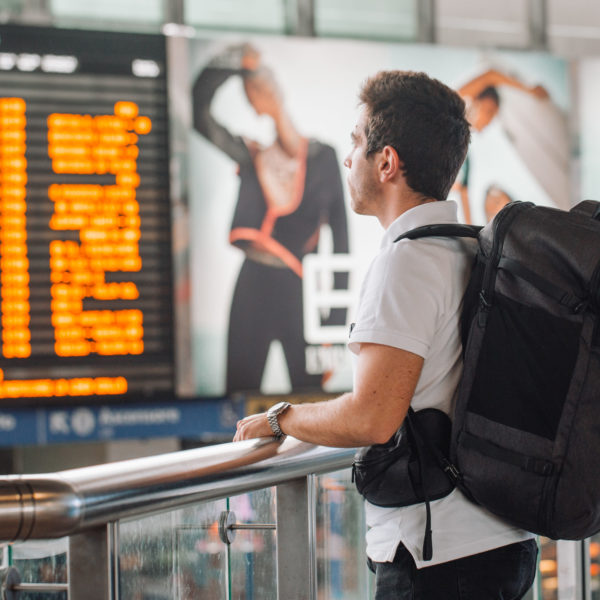
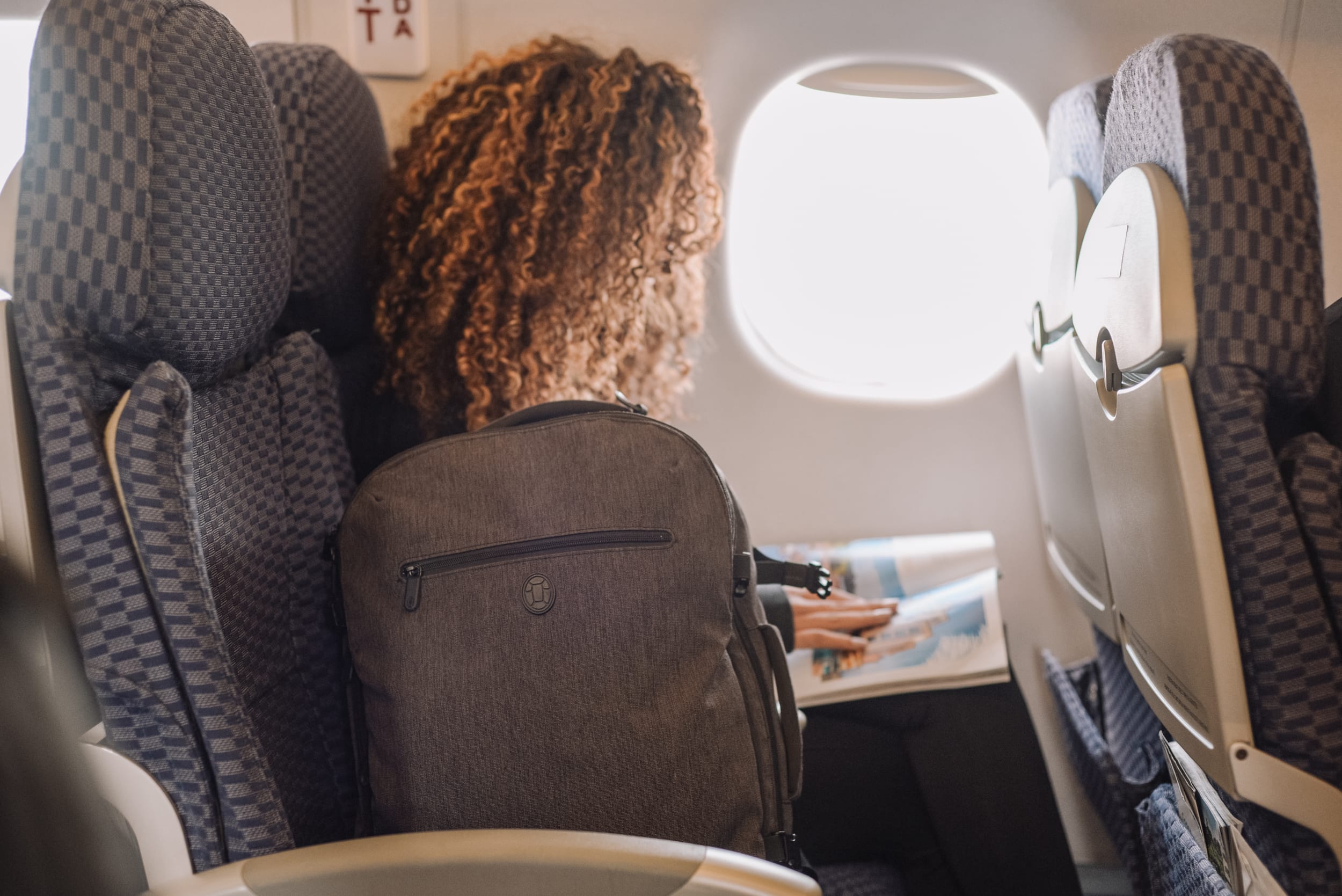
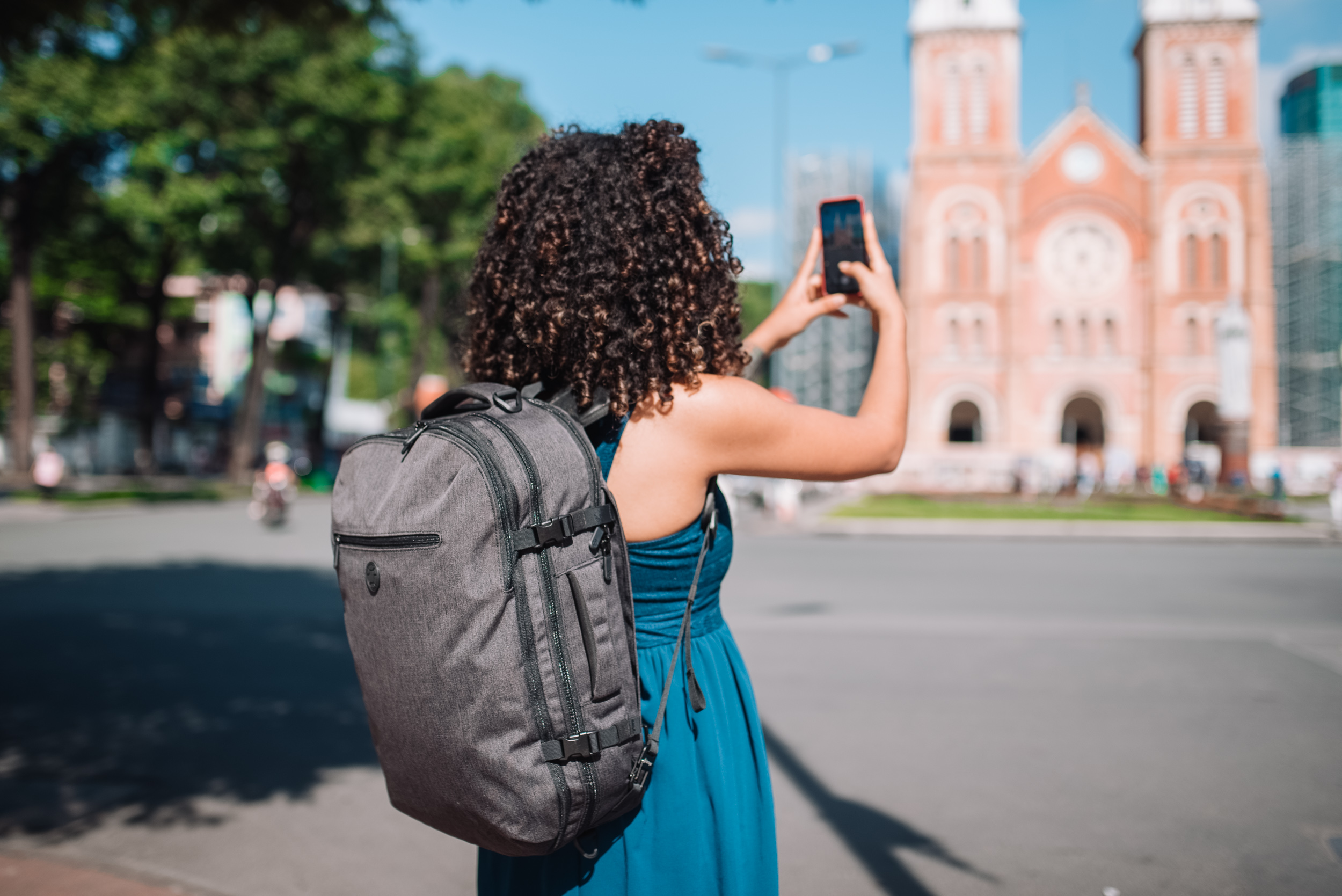
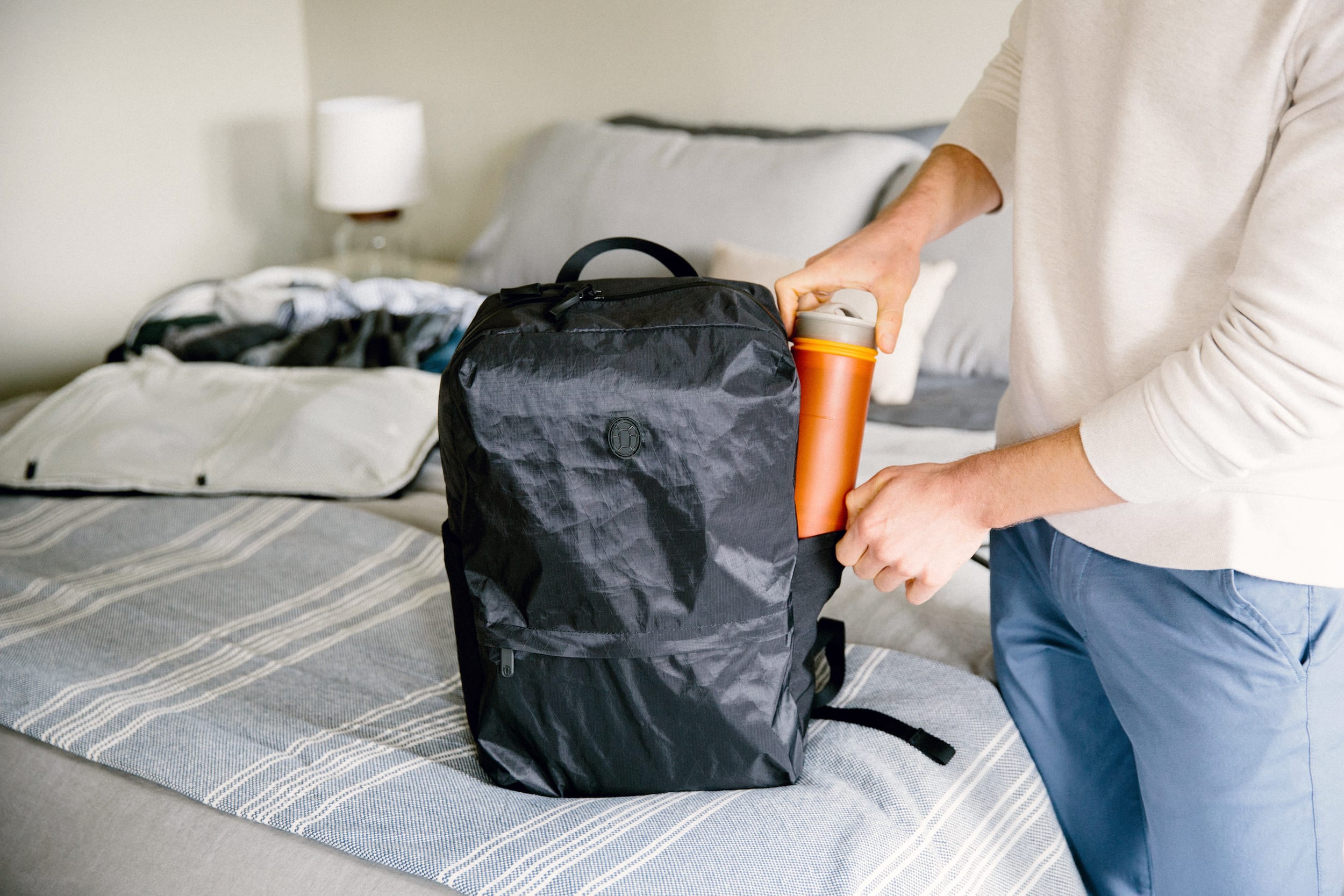
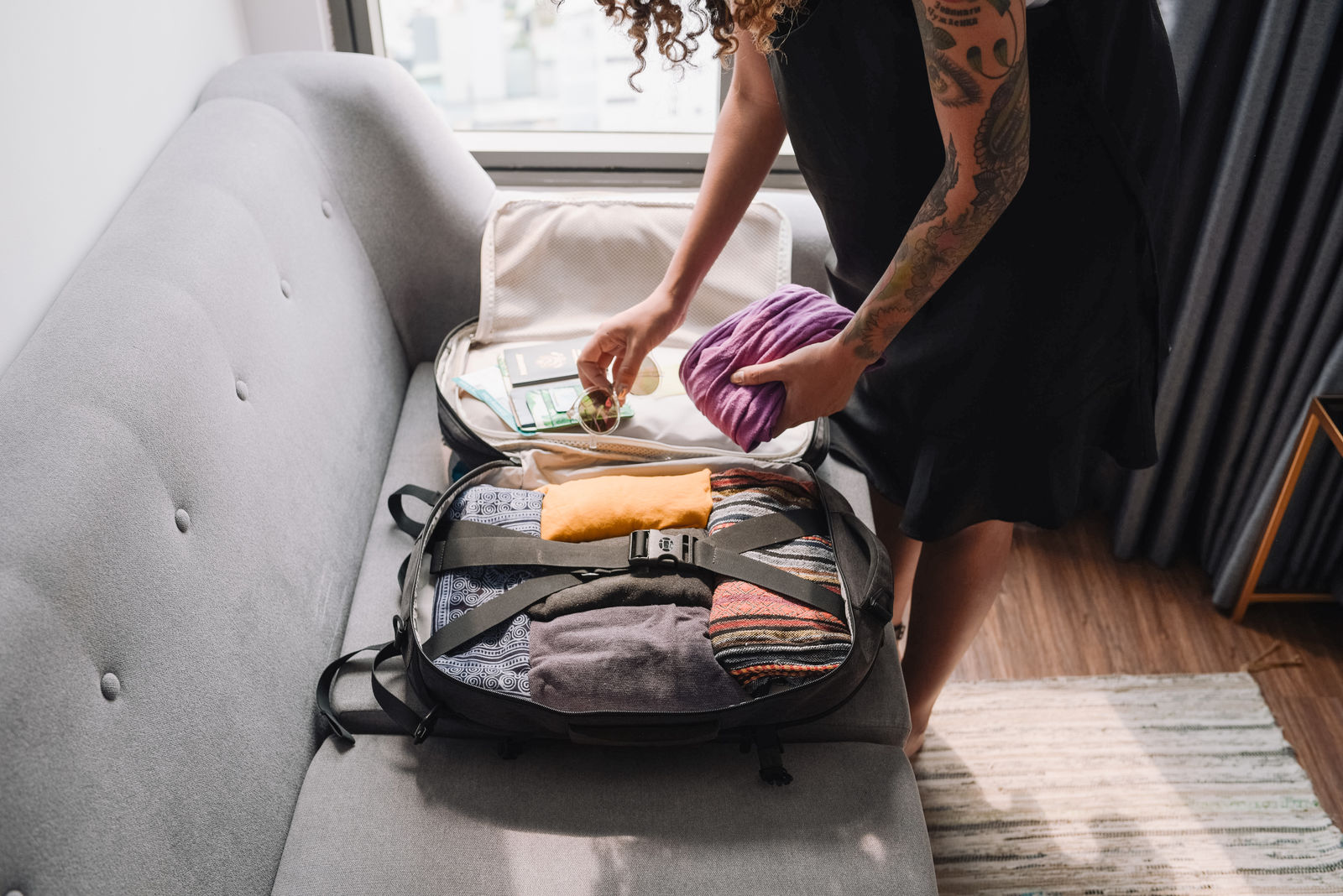
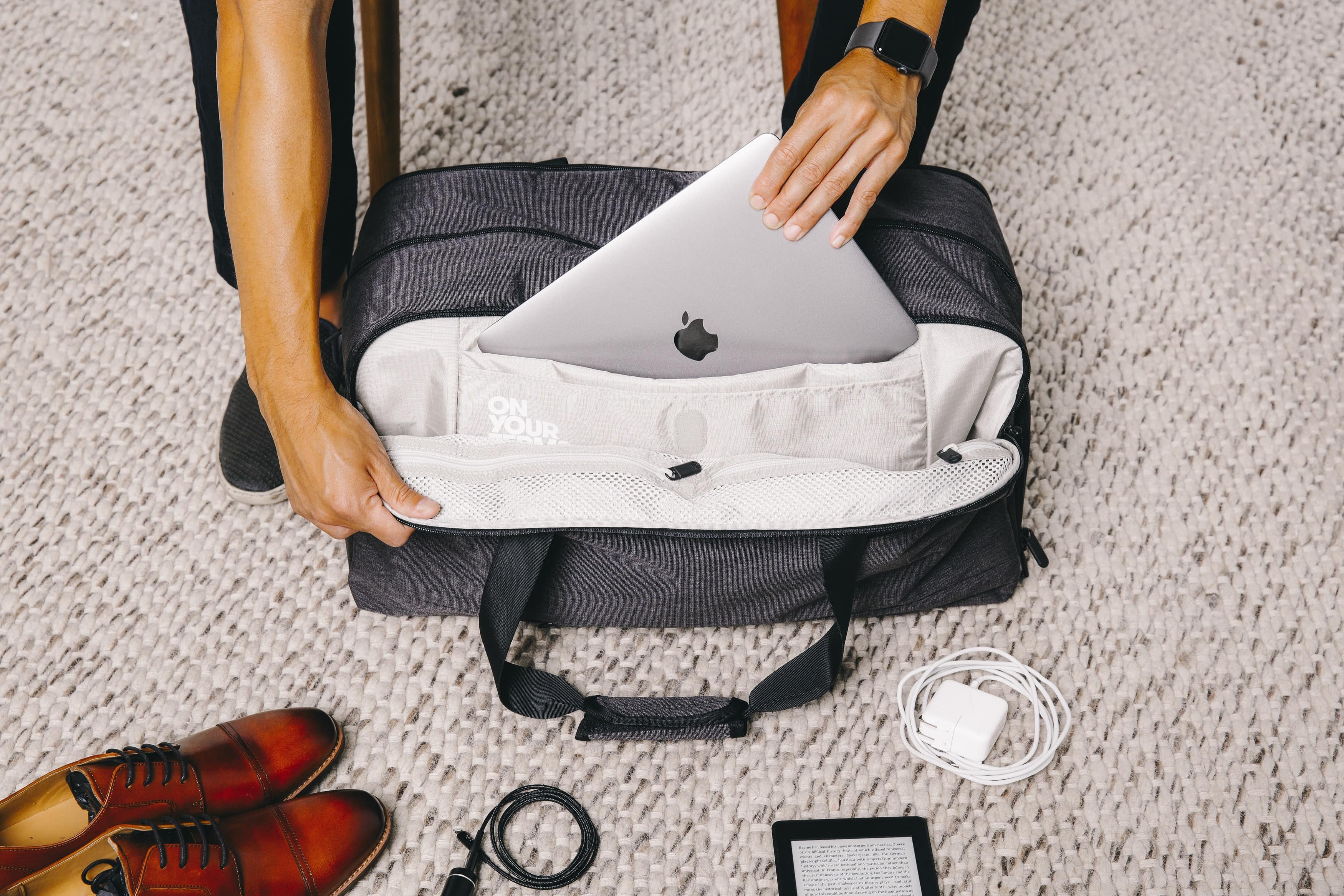
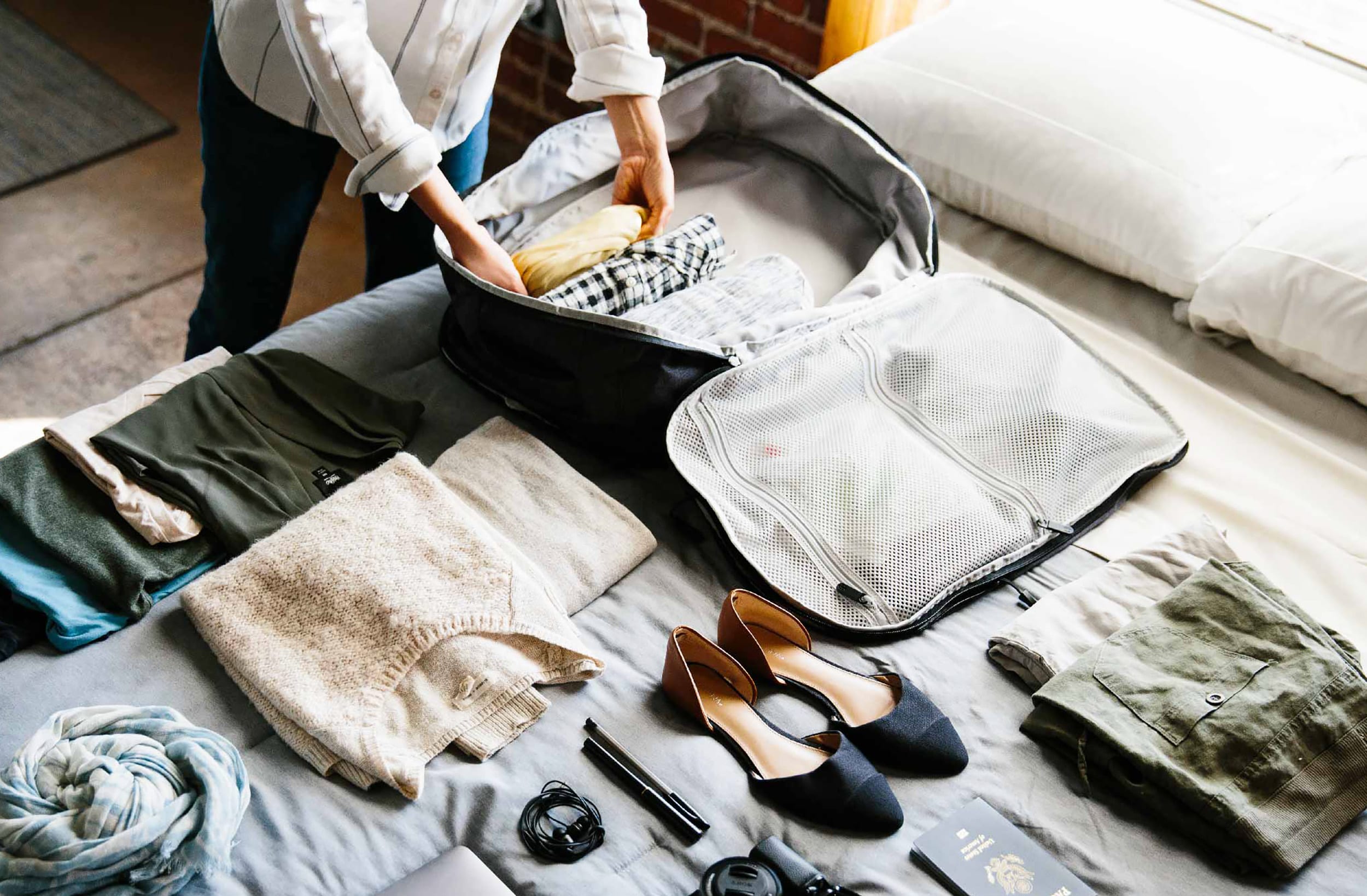
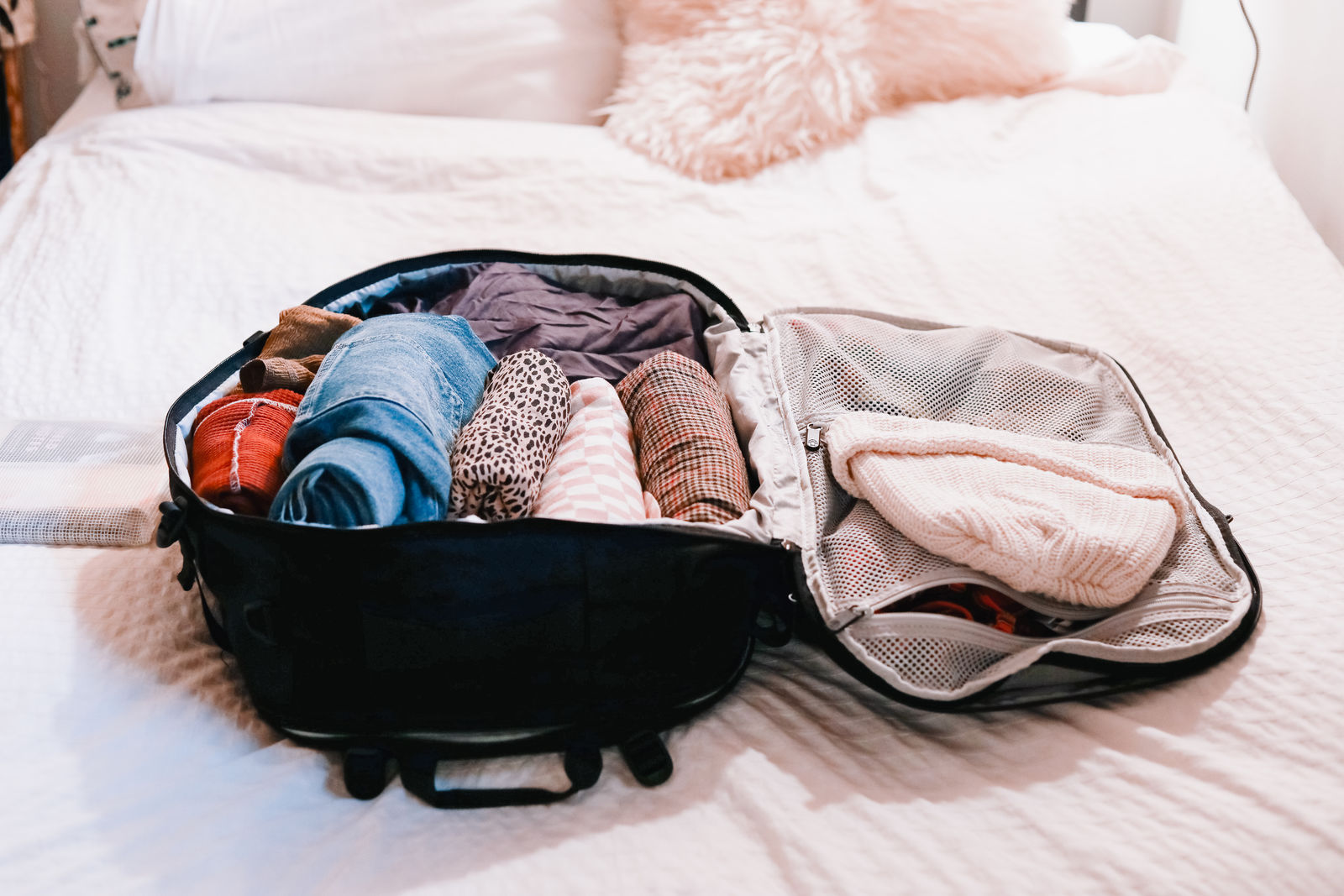
Many travelers have the noble intention of packing less but most find it difficult, if not impossible.
Have you found yourself in this scenario? You lay out everything you want to bring on your trip. Then you try to fit it into your luggage. No dice.
Breaking away from what you think you need is tough. “Pack less” isn’t actionable enough advice.
Below are 11 easy-to-implement tips to pare down your packing list.
1. Get Rid of Half
When preparing to travel, lay out all your clothes and all your money. Then take half the clothes and twice the money.
This advice sounds like a copout, but it’s actually helpful.
Sometimes the simplest, most obvious solution is the best one.
I find this advice especially helpful when packing more than one of an item like t-shirts, socks, or underwear. You can usually get by with fewer of these redundant items. Plus, if you follow the next bullet point, no one will notice that you’ve worn the same shirt three times.
Get the rest of the tips…

All we needed was a 10-person mansion in Napa Valley for a weekend. On short notice. Preferably with a hot tub.
We were traveling for a wedding, so our dates were definitely not flexible. Oh, and there was a big wine tasting event that weekend so hotels and Airbnb had been booked for weeks, if not months.
Luckily, I’d encountered this problem before, six months earlier. I already knew about an Airbnb alternative that doesn’t get as much publicity but would save me in a tight spot.
Find out which site came to the rescue…

Suitcases aren't designed for world travel. Neither are the enormous, poorly-designed backpacks a lot of travelers end up using.
You don’t have to compromise any more. Now there’s a solution made for travelers, by travelers.
Learn more about the Tortuga Travel Backpack =>
On the walk back from dinner, it started to rain. We ducked under an overhang to wait it out.
Ten minutes later, it was still raining. Harder than before.
Now the winding, narrow streets of Old Town Prague were flooded.
Oh well, we’ll just rough it. Run through the ankle-deep water until we can get back to our hostel. Then I can take a hot shower and hang my clothes to dry.
Great plan except that, after running a half dozen blocks, we realized we were lost. And out of breath. And still wet.
After a series of trial and errors sprints through alleyways, we finally got our bearings and made it back indoors. Completely waterlogged.
As travelers, we encounter every kind of weather from sweltering heat to freezing cold to torrential downpours. Sometimes on the same day.
Packing light won’t allow us to bring ideal gear for every one of these situations. Yet, walking around in wet socks is super gross.
Pareto’s Law says that in a given situation, 80% of the effects result from 20% of the causes. In this article, we’ll outline the 10% of gear that can provide 90% of your rain protection.
Find out what to pack to stay dry
If you’re not a “travel hacker,” you might be paying too much for flights, carrying the wrong gear, and missing out on readily-available freebies.
We all want to save money, but airlines and hotels are using complicated computer algorithms and multi-million dollar revenue optimization systems against us.
Luckily, you can learn travel hacking from the experts. Online. For free.
Below are six travel hackers you should be following. Subscribe to their blogs and follow them on Twitter. Follow their advice and you’ll be the person who always gets the best seat on the plane.
The Points Guy: Frequent Flyer Miles & Rewards
While working as a recruiter for an investment bank, Brian Kelly learned how to make the most of frequent flyer miles and credit card points by traveling over 125,000 miles per year. Starting in 2011, he began sharing his knowledge full time on his website, The Points Guy.
Brian can teach you which rewards programs to join, which credit cards are best for what, and how to rack up extra points for damn near anything, including shopping online and liking Facebook pages.
Brian’s tricks are exactly what most people are referring to when they talk about travel hacking. But there’s more to it than just outwitting the airlines…
Meet the Rest of the Travel Hackers…
Three travel startups recently teamed up to issue a challenge to travel hackers. Their people-powered trip planning contest asked contestants to design a two-week trip including flights, accommodations, and activities for under $3,000/person.
The winning trips looked amazing.
The good news is that you can use each of these travel sites yourself to create your own dream trip.
Crowdsourcing is the practice of obtaining services from a distributed group of people, often via the internet, rather than from traditional suppliers.
Turning to people, rather than corporations, for your travel planning can save you money and help you find unique accommodations and activities that you couldn’t experience otherwise.
Ready to give it a try? Here’s your guide to crowdsourcing your next trip.
Find out how to crowdsource your trip